

Planning for an Adventurous Retirement: Three Lessons From My Own Journey
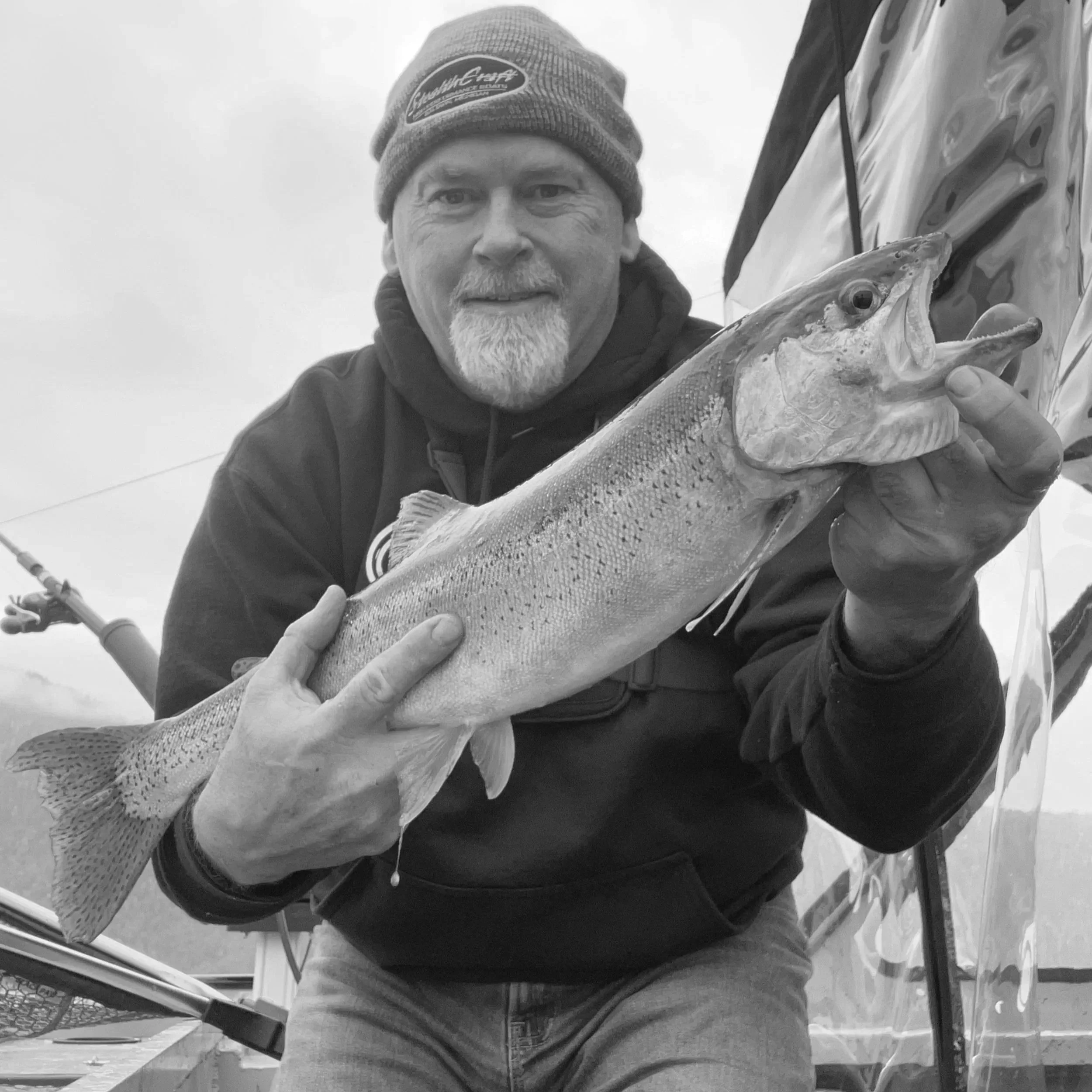
If you’ve ever felt like you have big dreams for retirement but struggle to turn them into something real, you’re not alone. As I approached retirement, I imagined all the ways I’d finally use the freedom I’d earned. But in practice, it felt overwhelming—almost like staring at a restaurant menu with too many great options and worrying I might “order wrong.”
Now, nearly six years into retirement, I’ve learned what it takes to turn dreams into plans and plans into action. These are the three lessons that have shaped the most meaningful years of my life so far.
1. Get Clear on What You Want
When I retired at 55, I had dozens of ideas about how I wanted to spend my time. But I didn’t gain real clarity until I intentionally removed all limits—money, logistics, health, and practicality—and simply asked myself:
What do I want to do with the next 30 years of my life?
Once I stopped filtering, the answers surfaced easily. My list included:
Adventures in fishing, hunting, and golf
Traveling to new places with the people I care about
Spending meaningful time with my family
Investing individual time with my grandchildren
Passing along whatever wisdom I’ve picked up through life
How to Make Your List
Find a quiet spot. Pull out a notepad or your phone and start a no-limits brain dump. List everything you’d like to experience or accomplish between ages 55 and 85. Don’t edit. Don’t evaluate. Don’t rank. Just capture.
When you’re done, sort your list into categories and prioritize based on what matters most to you right now.
Pick Your Top Three
To avoid overwhelm, choose no more than three adventures or goals to pursue in your first year of retirement. Assign a timeline to each one. The moment something hits your calendar, it becomes real—and you begin to build momentum.
2. Get Yourself Into Shape
Once you know what you want to do, the next question is:
What kind of shape do you need to be in to enjoy it?
Some adventures require nothing more than the ability to walk comfortably during travel. Others—like elk hunting in Colorado or steelhead fishing in British Columbia—demand much more strength and endurance.
Why Functional Fitness Matters
There’s no shortage of fitness resources today. YouTube alone can guide you through nearly any routine. But for adventure-based retirement goals, focus on functional fitness—the strength, balance, mobility, and stamina that real life asks of you.
If your adventures involve hiking, uneven terrain, climbing hills, or carrying gear, your training should reflect that. Focus on:
Strengthening legs and hips
Improving ankle and knee flexibility
Building core strength
Walking on uneven trails (ideally with a weighted pack)
The Hardest Part Isn’t the Exercise
Consistency is the real challenge. I’ve learned that having a scheduled adventure on the calendar transforms my discipline. When a trip is coming, I train with purpose. Without it, even the best intentions fade.
A Simple Approach to Diet
I love food—and if I’m not careful, I can eat myself into immobility, especially when it comes to sugar, refined carbs, and alcohol. Through trial and error, I’ve learned how these foods trigger inflammation in my joints and fog in my mind.
A mostly low-carb diet works best for me. My approach is simple:
Avoid sugar, grain, and alcohol most of the time
Enjoy indulgences without guilt—then return to the plan
Use intermittent fasting or periodic longer fasts to help with weight, clarity, and mobility
Address Major Issues First
If a major physical limitation is holding you back, deal with it early. In my case, worsening hip pain forced me to try every non-surgical option available. Eventually, I scheduled a hip replacement for December, hoping to be back on my feet by early spring.
I’ve never heard anyone say they wished they’d waited longer for a hip replacement—so I’m leaning into that collective wisdom.
Health Summary
Build functional fitness tailored to your adventures
Eat intentionally, not unconsciously
Don’t ignore major physical issues—fix them so you can move forward
3. Understand Your Finances
Financial clarity is another area where new retirees struggle. Ultimately, what you can do depends on your financial health—but joy and fulfillment do not depend on wealth. What matters most is pursuing meaningful goals that are within reach.
If you’re living primarily on Social Security, your options may be more limited, but your experiences are no less meaningful. Fulfillment comes from planning, preparing, and following through—not from spending large sums of money.
Joy Isn’t Purchased
Money can certainly make travel easier, but it can’t replace engagement and effort. There’s a big difference between paying an outfitter to seat you in a blind and planning, preparing for, and completing a hunt on your own.
One experience is bought.
The other is earned.
And the earned version carries far more satisfaction.
What I Learned About Retirement Spending
A few insights from my own journey:
You may spend more than expected.
More free time means more opportunities to spend. Don’t assume retirement automatically lowers your expenses.
You might have more flexibility than you think.
Many retirees fear withdrawing too much too soon. But research shows that retirees with moderate to substantial assets often die with more money than they had at retirement.
Working with a financial advisor—and diving into retirement planning resources on YouTube—helped me understand how to manage my resources confidently.
Final Thoughts
If you’re approaching retirement—or have recently stepped into it—now is the perfect time to get clear on your strategy. Time won’t wait. None of us knows whether we have 100 weeks, 500 weeks, or 1,000 weeks left. But intentional living makes every one of those weeks richer.
So start planning.
Get in shape.
Understand your finances.
