

Grandpa’s Grand Design
My earliest memory of fishing goes back to around 1971. I was seven years old, a first or second grader at Marcus Whitman Elementary in Richland, Washington.
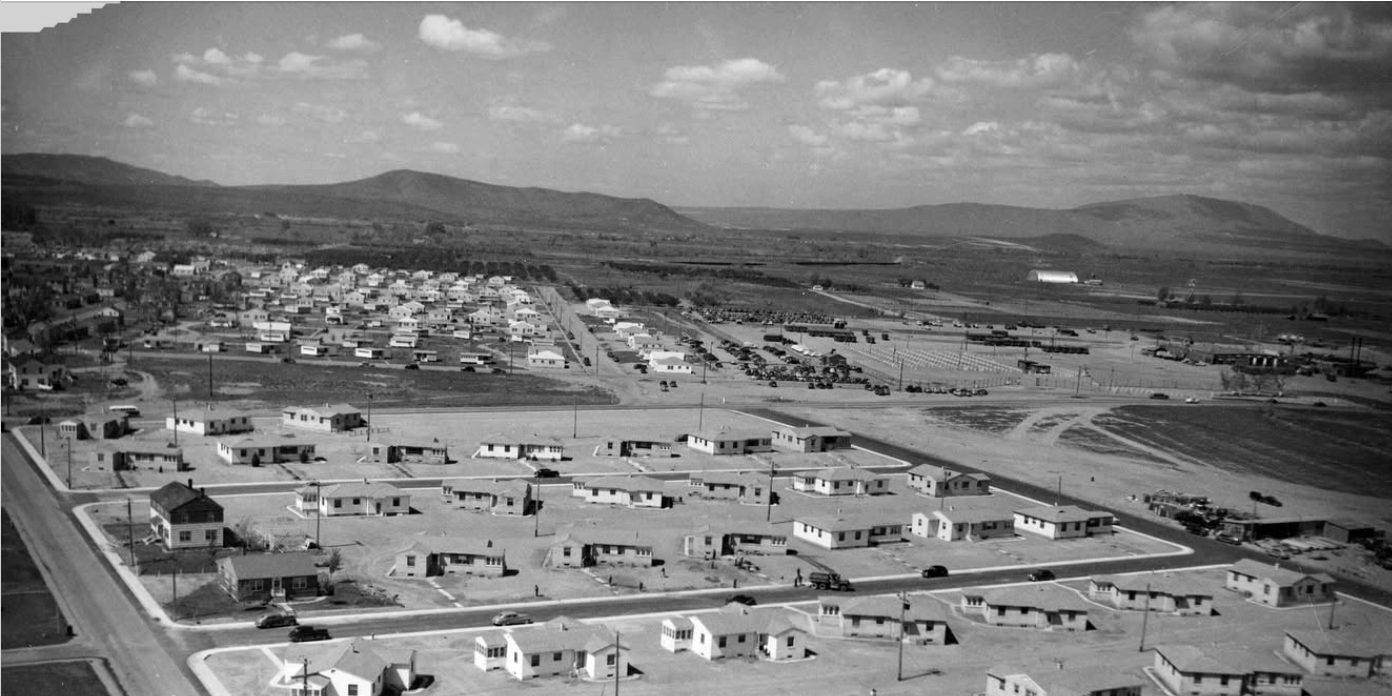
Richland had been a boomtown in the 1940s, when the war effort brought a rapid buildup of prefabricated homes across the sand and sagebrush of the Columbia Basin. The Yakima River framed the town to the west, while the mighty Columbia came down out of Canada and rolled past Richland on its long journey south.
My grandparents, Bud and Jane, lived on Dallas Street, and we lived just a few blocks away on Cottonwood. Richland in those days was a tidy little town of modest, well-kept homes, trimmed yards, and young trees planted along quiet streets. The town itself was still young. Looking back, there was a simplicity to the place—a sense of stability and quiet prosperity that I didn’t appreciate at the time.
Long before I came along, my grandfather had already lived a good bit of the outdoor life.
Back in the late 1930s, he hunted and fished with a band of friends in upstate New York near Jamestown. I’ve seen the old black-and-white photographs. They drove an old Ford woody wagon with a canoe strapped to the roof and looked like a pretty rugged and hardy bunch.
One of his friends was a fellow named Kenny Lawson, who had somehow lost a leg. Whatever happened to him, it apparently didn’t slow him down much. In those old photographs, Kenny is right there with everybody else, navigating his sporting life with a crutch tucked under one arm.
They paddled canoes, slept in canvas tents, and caught trout from rivers and streams.
In those early years, Grandpa fished with an ultralight spinning rod and small brass spoons. He would cast them downstream and let them flutter across the current—a simple and deadly way to catch trout.
Somewhere along the way, though, he discovered the fly rod.
By the time I came along, he’d been fly fishing and tying his own flies for decades. Through years of practice, patience, and study, he’d become a master at it.
And then I arrived—his first grandson.
I’m sure Grandpa saw an opportunity.
I became his apprentice in all things fly fishing, though I certainly didn’t know it at the time. And as best I can remember, it all began with the trip I’m recalling here.
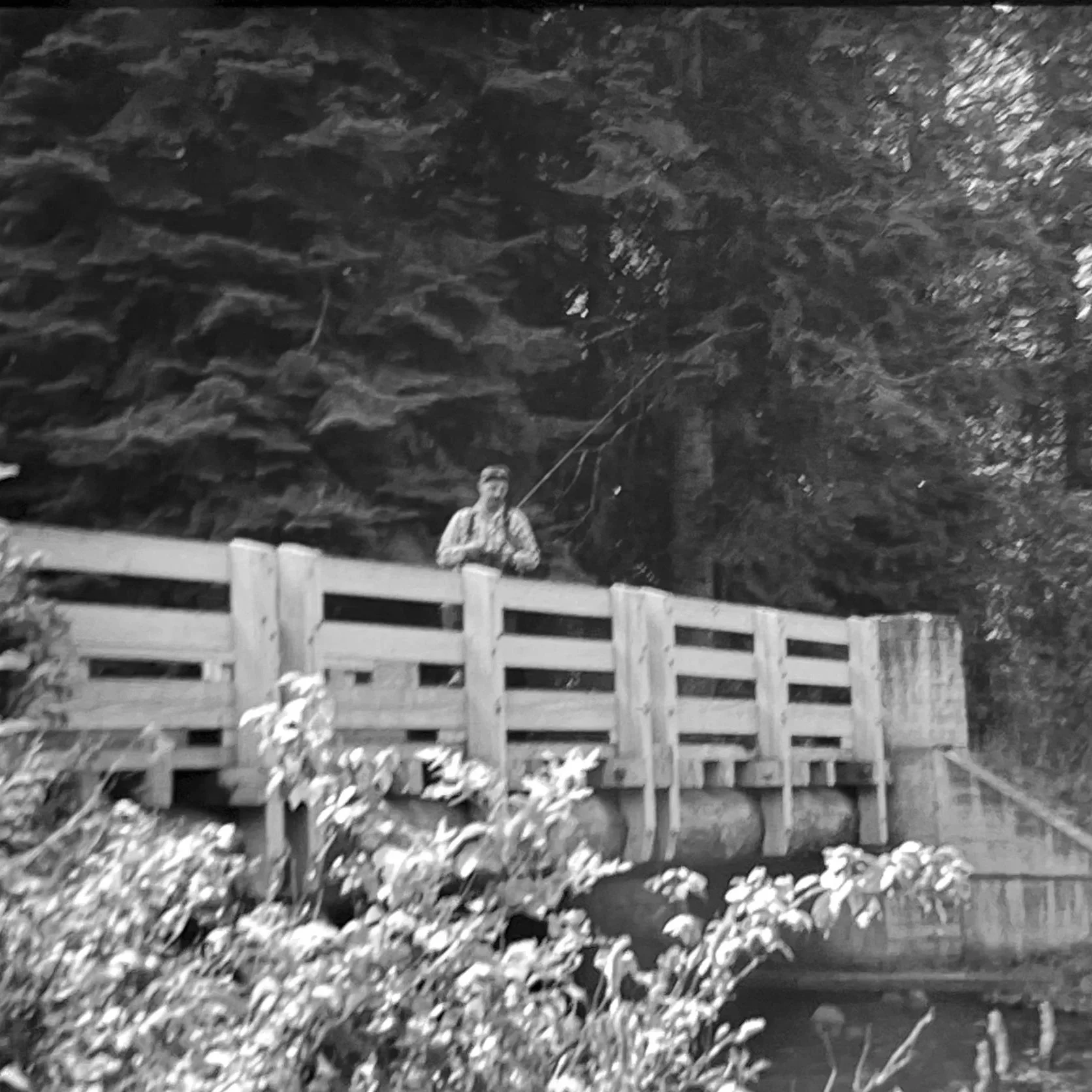
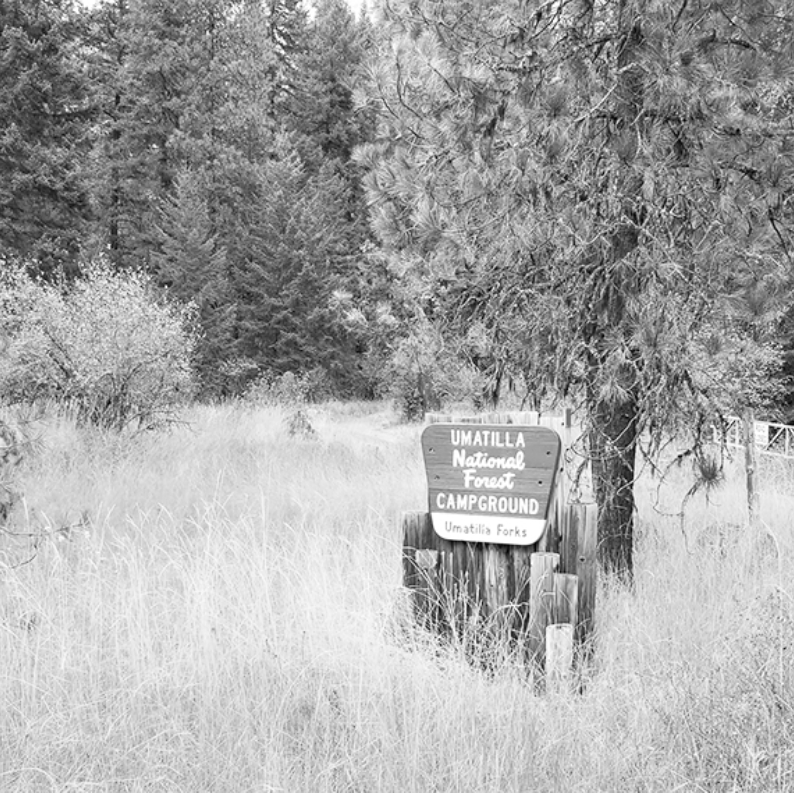
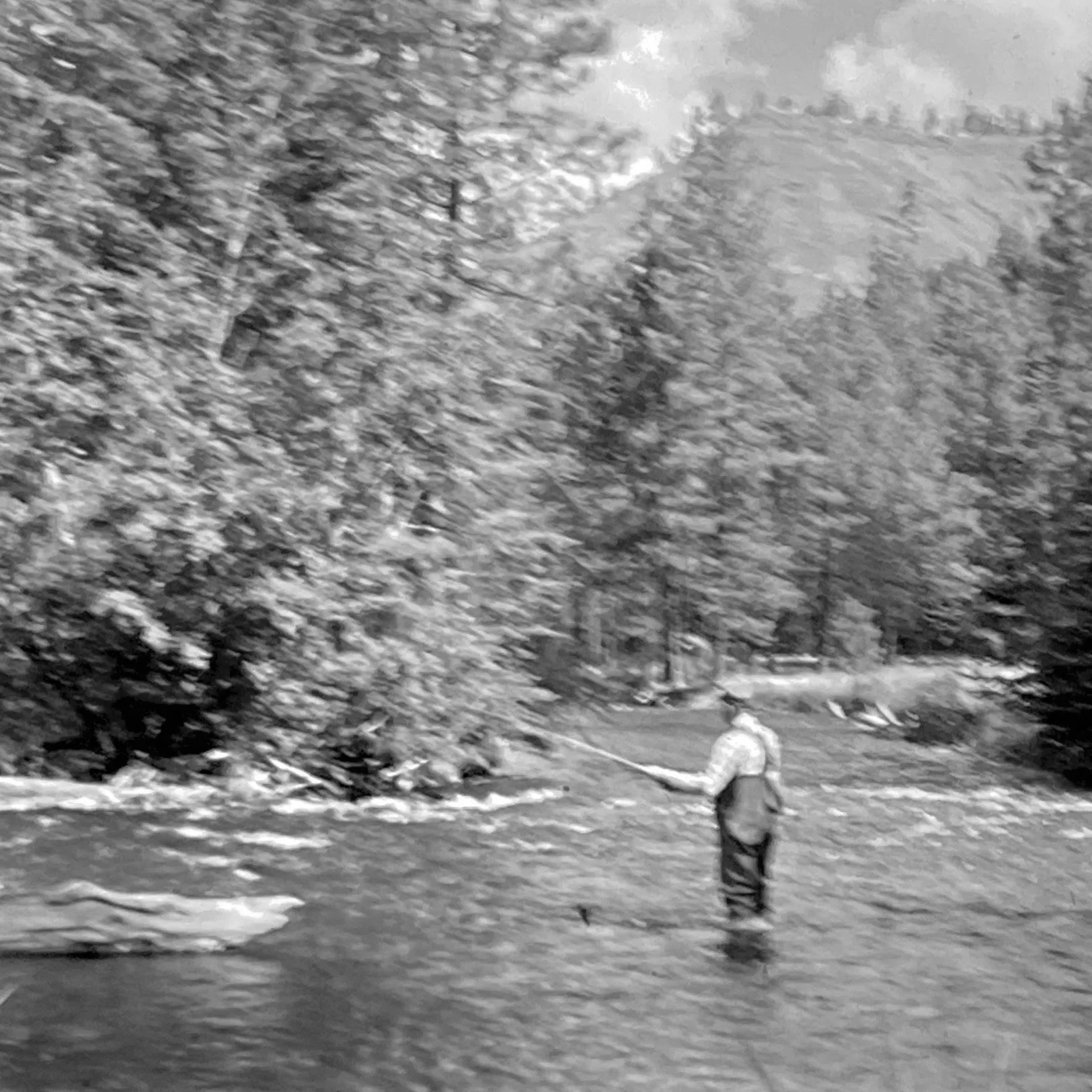
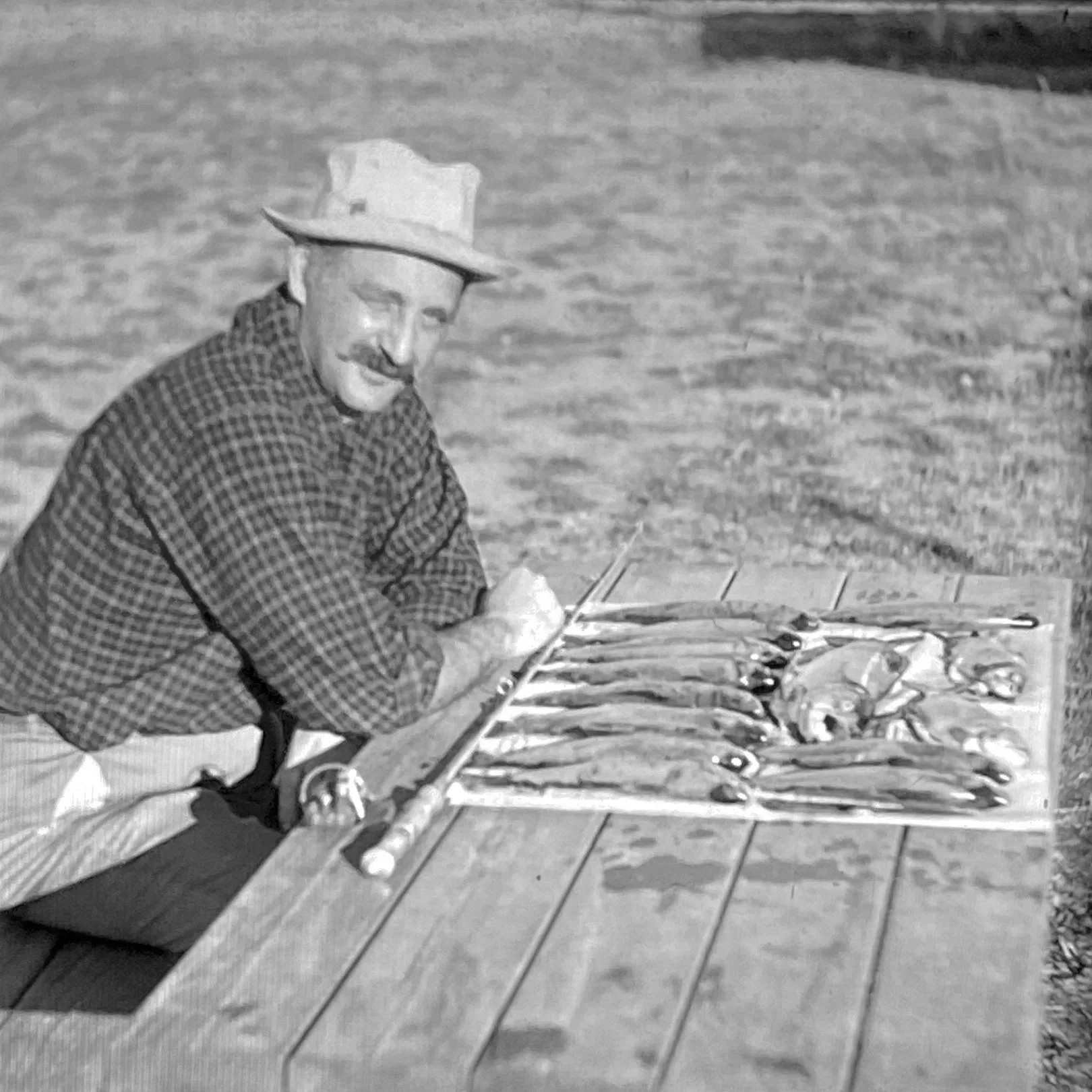
My earliest childhood memories aren’t complete stories. They’re more like scenes from an old film—soft around the edges, with pieces missing between them. What remains is often more feeling than detail.
I don’t remember preparing for this particular trip. I’m sure my mom and Grandma Jane had a hand in getting me ready, making certain a seven-year-old boy had enough warm clothes and whatever else he might need for his first real fishing adventure.
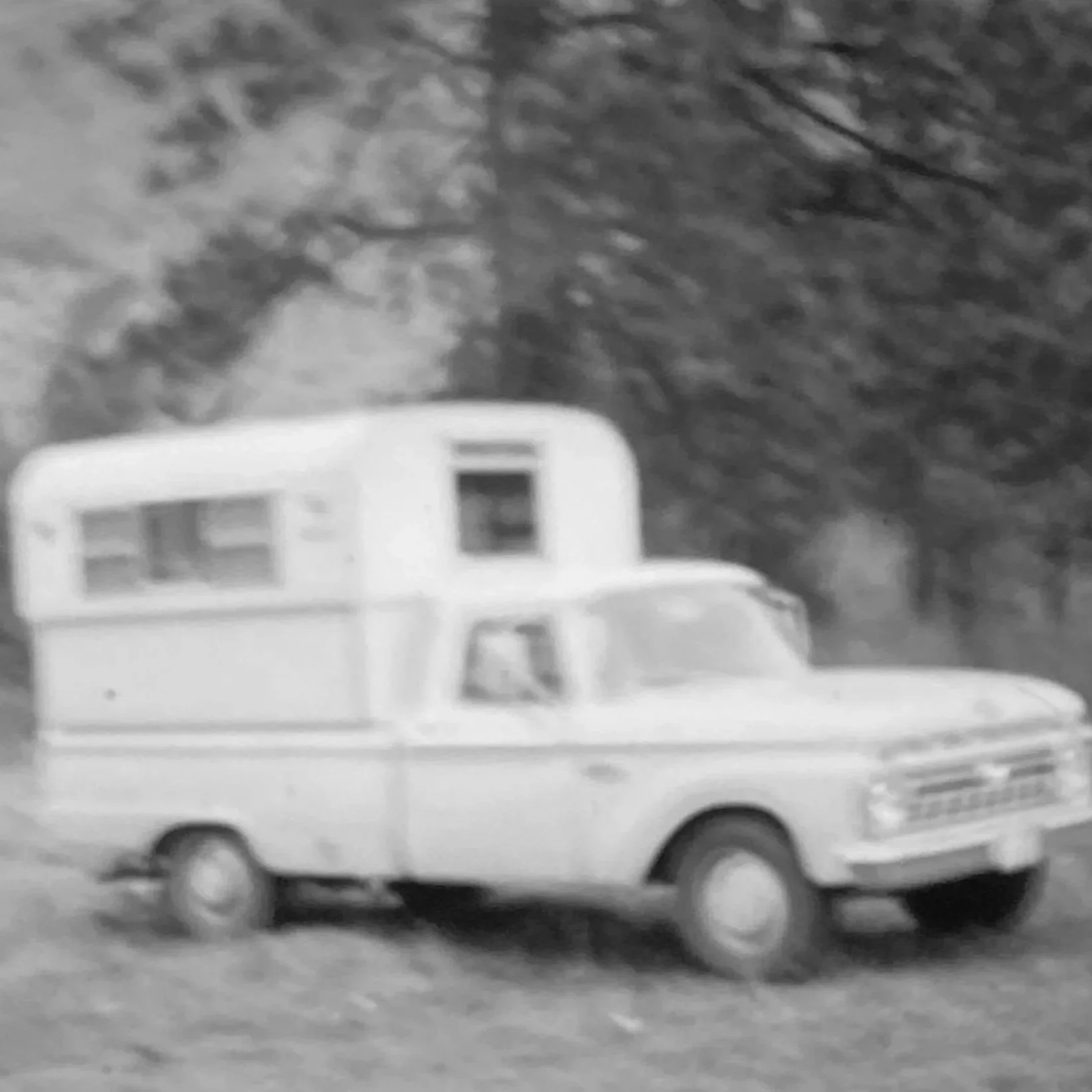
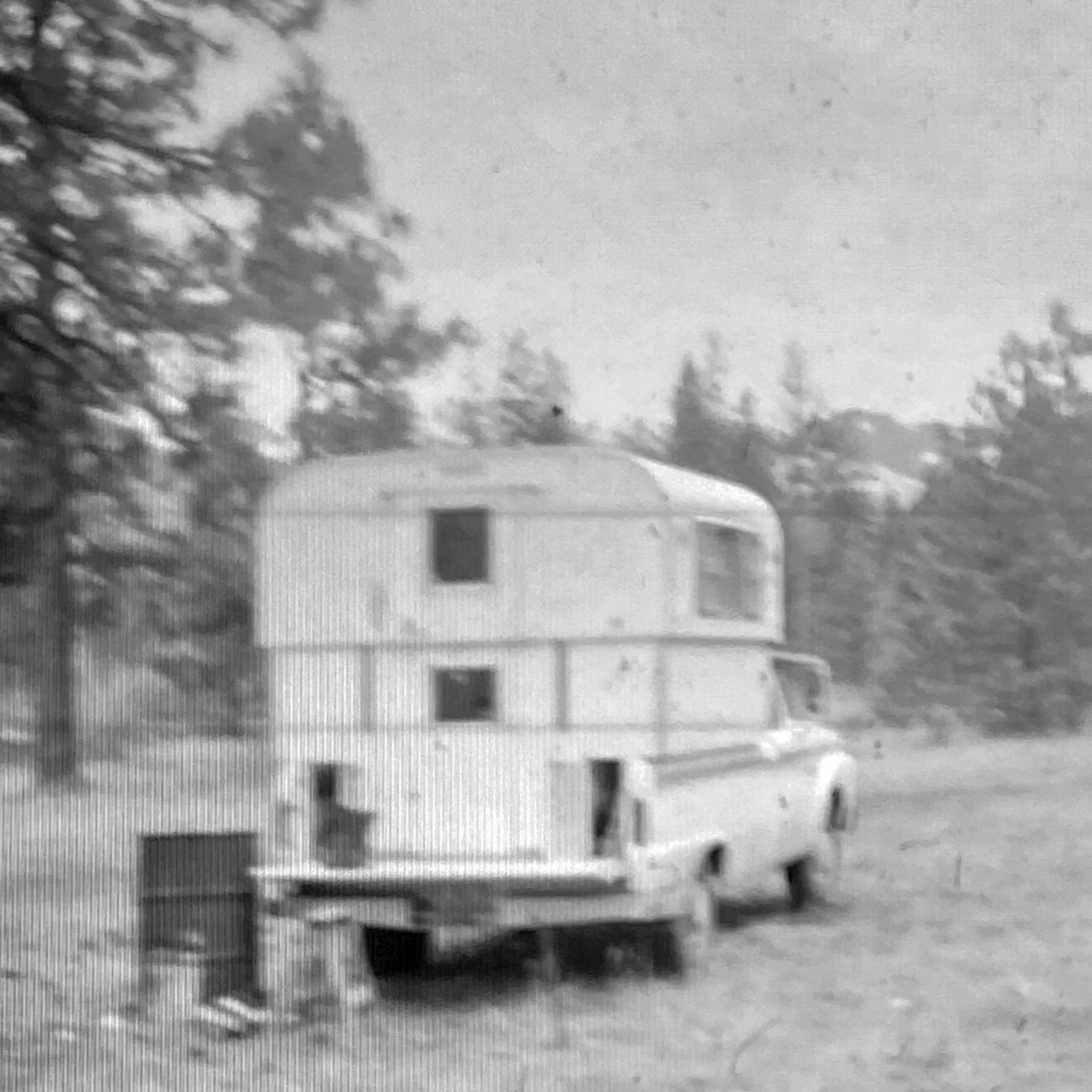
What I do remember is climbing into the Alaskan camper clamped onto the back of Grandpa’s 1964 Ford F-100 pickup.
I can still picture that truck.
It had shiny chrome knobs across the dash and an Indian blanket seat cover with a long slot sewn into the front where you could slide a shotgun or rifle. Grandpa liked his trucks simple. No power steering. Vinyl seats and floor mats. A 300-cubic-inch straight-six engine with an automatic transmission.
His theory was straightforward: the fewer moving parts there were, the fewer things there were to go wrong.
The Alaskan camper followed much the same philosophy. The interior was paneled in warm wood, with a manual hydraulic jack that raised the top half and turned it into a livable little cabin. Up front was a dinette that converted into a bed, along with a small stove and a few basic kitchen amenities.
It wasn’t fancy.
To me, it might as well have been an expedition vehicle headed for the wilderness.
That’s the funny thing about childhood travel. Distances were bigger then. A drive of an hour or two could feel like crossing half the country.
One stop from that journey remains especially clear.
We pulled into a gas station at Wallula Gap, and Gramps told me I could pick out a bag of candy for the trip.
This was serious business.
Being given the freedom to walk into a gas station and choose an entire bag of candy for myself was not an everyday occurrence. Faced with what must have seemed like an overwhelming number of possibilities, I panicked.
I chose burnt peanuts.
Some people will remember them—peanuts covered in a dark red, crunchy candy shell. I don’t know what possessed me to choose them, but I did.
And then I ate nearly the whole bag.
I don’t remember much about the drive after Wallula Gap. From some research I’ve done since, I believe we were headed for Umatilla Forks, about 120 miles from my grandparents’ house on Dallas Street.
By the time we arrived, those burnt peanuts had caught up with me.
As we began unloading the camper, I promptly threw them up all over the tailgate.
I’m sure Grandpa understood exactly what had happened. And in his patient way, he probably figured I’d just learned an important lesson about restraint.
He didn’t need to say much.
Before long, we were headed down a well-worn path toward the Umatilla River—a river that, even today, feels more like a large stream.
I remember pieces of what happened next.
The two of us waded into the current, Grandpa Bud beside me, showing me the basics of casting a fly rod.
We were most likely fishing a Humpy, probably tied on a size 8 hook—a bushy clump of deer hair riding high on the water. It wasn’t particularly elegant, but trout liked it, and that was what mattered.
Somehow, with Grandpa’s help, we coaxed a fish to rise.
I don’t remember the cast.
I don’t remember setting the hook.
But I remember the fish.
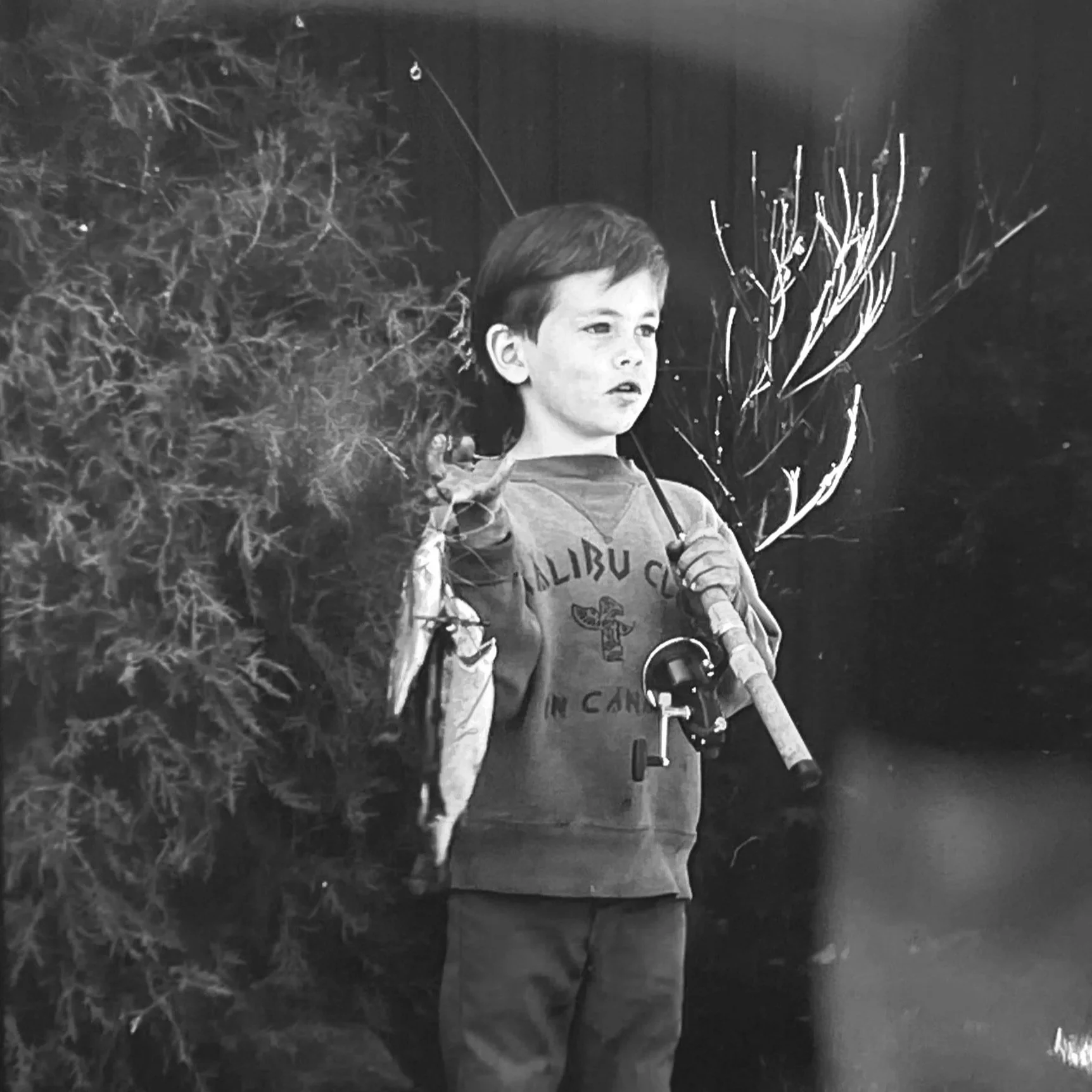
A brightly colored rainbow trout, maybe eight inches long.
We slipped it onto a makeshift stringer cut from a willow branch.
Something happened to me right then.
There is a particular kind of magic in catching your first fish. At seven years old, standing in a cold mountain stream beside my grandfather, I couldn’t possibly have understood where that moment would lead.
I just knew I wanted to do it again.
I believe we caught another fish or two that afternoon and added them to our little willow stringer.
Eventually the day began to fade, and we headed back up the trail toward camp, carrying our small bounty with us.
I was pretty proud of myself.
Somewhere along that path, we met a woman coming the other way. She stopped and admired our trout.
“Who caught them?” she asked.
Full of seven-year-old confidence, I answered.
“I did.”
She looked me straight in the eye.
“No you didn’t.”
Well.
In all my seven years on earth, I don’t believe I’d ever been so insulted.
I knew what I’d said was true.
So I puffed out my chest and kept walking beside my grandpa.
Grandpa didn’t argue with her. He didn’t come to my defense. He didn’t explain a thing.
He just smiled a little as we continued up the trail.
That’s about where the clear memories of that trip end.
I’m sure Grandma Jane and my mom and dad heard the whole story when we got home. I’m equally sure I told them about those trout—and probably made certain everyone understood that I had, in fact, caught them.
What I couldn’t have known was that something much bigger had happened.
That little rainbow trout had set a hook in me.
I’m sixty-one now, and that first trip with my grandpa remains one of the earliest clear markers in a lifetime spent outdoors. What began that day on the Umatilla River became a lifelong fascination with the challenge, focus, and simple beauty of casting a fly rod.
Nearly six decades later, I’m still chasing that same feeling—the anticipation of a cast, the rise of a trout or pull of salmon, and the quiet satisfaction of bringing a fish to hand.
If that was my grandpa’s grand design, it worked.
